

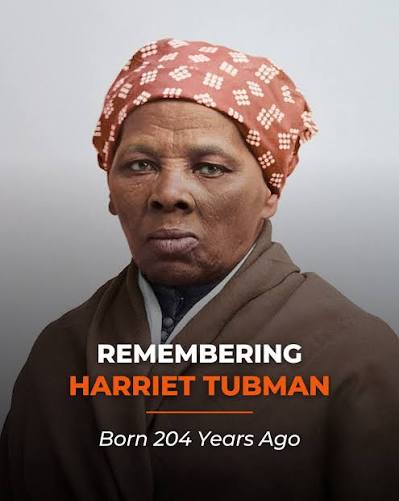
In Loving Memory
Harriet Tubman "Minty" "Moses"
"Born into slavery in Maryland, Harriet Tubman claimed her own freedom in 1849 and then refused to keep it to herself. Returning again and again to the South along secret routes, she worked as a fearle…"
Life Story
Honoring Their Path
Born into slavery in Maryland, Harriet Tubman claimed her own freedom in 1849 and then refused to keep it to herself. Returning again and again to the South along secret routes, she worked as a fearless conductor who led dozens of enslaved people out of bondage and into liberty. When the nation went to war, she put that same nerve to work for the Union cause, serving as a scout, a nurse, and an operative near the front lines. In the decades that followed, she kept fighting—this time for the women and elderly people in her own community, whose rights she defended without rest. Her whole life, in other words, was spent lifting up oppressed people wherever she found them, and that devotion turned her into a lasting symbol of freedom.
Life Chapters
The Chapters of Their Story
Faith & Religious Life
FreeFaith formed the backbone of Harriet's life from the beginning: raised Methodist, she learned the Bible from her mother's mouth because her mother could not read it, and she carried those stories like rations for a long road. The Old Testament accounts of deliverance she absorbed as a child sank deep, giving her a lasting love for tales of people freed from bondage. A severe injury in her teens opened something in her—she began having vivid dreams and trances that she never once doubted were God's voice, and she followed those impressions as if they were orders, turning left when told to turn, pausing when told to wait, certain the Creator spoke straight to her heart in moments of danger. Prayer ran through everything she did, whispered silently along empty forest paths and spoken aloud among the trees, and she sang hymns of longing that doubled as coded directions for the travelers she led and that steadied their nerves in the dark. To her, every rescue mission was a holy commission rather than an earthly errand, and she believed angels held her alive. In Auburn she joined the Thompson Memorial African Methodist Episcopal Zion Church, helped raise money for its building, and found a community to ground her. Late in life she deeded land to that church so a home for the aged could rise beside her own house. On her deathbed she asked the clergy to "give my love to all the churches," then quoted Scripture and joined the singing around her bed.
Final Years & Passing
FreeHarriet passed her final years in Auburn, New York, living on the grounds of the very home for elderly African Americans that she had once only dreamed into existence, and she met her failing strength with quiet composure. In her later years she traveled to Boston for brain surgery to relieve the pressure in her head, enduring the operation without anesthesia. By 1911 she was too frail to manage alone, so she moved into the Home beside her own farm. A newspaper described her as "ill and penniless," and admirers sent donations from near and far to keep the place afloat. As respiratory illness wore down her once-sturdy frame, she became bedridden, and for much of her last year she could leave the bed only a few minutes at a time. In the late winter of 1913 pneumonia set in and her vital signs ebbed quickly. On the afternoon of March 10, when the nurse Martha Ridgway and Dr. G. B. Mack judged that she had only hours left, she asked for her friends the Reverends Charles A. Smith and E. U. A. Brooks. A final service was held at her bedside, and she directed it herself, joining the prayers and the singing of spirituals whenever her cough allowed, receiving the sacrament, and then sinking back against the pillow. Relatives, longtime associates, and local clergy surrounded her, though her nephew William H. Stewart and his son Charles stood close by while two grandnieces were away in Washington for the presidential inauguration. She spoke with lucid tenderness, comforting those who wept at her leaving, and her last words were "I go to prepare a place for you." She lapsed into a coma and died at eight-thirty that evening.
Childhood & Early Life
StandardAvailable with Standard membership
Academic & Education
StandardAvailable with Standard membership
Marriage & Family
StandardAvailable with Standard membership
Achievements & Career
StandardAvailable with Standard membership
Social & Community Life
StandardAvailable with Standard membership
Artistic & Creative Life
StandardAvailable with Standard membership
Ancestry & Heritage
PremiumAvailable with Premium membership
Political & Civic Life
PremiumAvailable with Premium membership
Trials & Resilience
PremiumAvailable with Premium membership
Private Life & Reflections
PremiumAvailable with Premium membership
Offspring & Legacy
PremiumAvailable with Premium membership
Funeral & Memorial Service
PremiumAvailable with Premium membership
Tributes & Remembrances
PremiumAvailable with Premium membership
Life story chaptersStandard+
Unlock all life chapters, the full photo gallery, ancestry tree, and more.
Photo Gallery
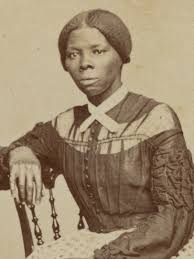
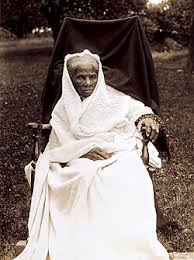
Burial location
Unlock with StandardShare This Memorial
Help others find and honor Harriet's memory.
Honor with a Keepsake
Looking for a tangible way to remember Harriet? Always In Mind Gifts offers personalized keepsakes, jewelry, urns, and memorial décor — for people and beloved pets.
Browse Memorial Gifts →Tributes & Condolences
Honor Harriet
Leave a tribute — a candle, a condolence, or a cherished memory.